%20(1).png)


Your Ultimate Home Inspection Checklist: What Does a Home Inspector Look For?
Buying or selling a home in Las Vegas can feel like navigating a maze. One crucial step that helps clear the path is a home inspection. But what exactly happens during this process? What does a home inspector look for? If you’ve ever wondered about the nitty-gritty details, you’re in the right place. I’m here to walk you through the essential elements of a home inspection, breaking down the checklist so you know what to expect and how to prepare.
Why a Home Inspection Checklist Matters
A home inspection checklist is more than just a list - it’s your roadmap to understanding the condition of a property. Whether you’re buying or selling, this checklist helps identify potential issues before they become costly problems. Think of it as a health check-up for your future home.
Inspectors use this checklist to systematically evaluate every major component of the house. This ensures nothing important slips through the cracks. For example, they’ll check the roof for missing shingles, the foundation for cracks, and the electrical system for outdated wiring. Each item on the list is a piece of the puzzle that tells the story of the home’s overall health.
Using a checklist also helps keep the inspection organized and efficient. It allows the inspector to cover all bases without rushing or missing critical details. For you, it means a clear, detailed report that’s easy to understand and act upon.

What Does a Typical Home Inspection Consist Of?
A typical home inspection covers a wide range of areas, from the foundation to the attic. Here’s a breakdown of the main components:
Exterior Inspection
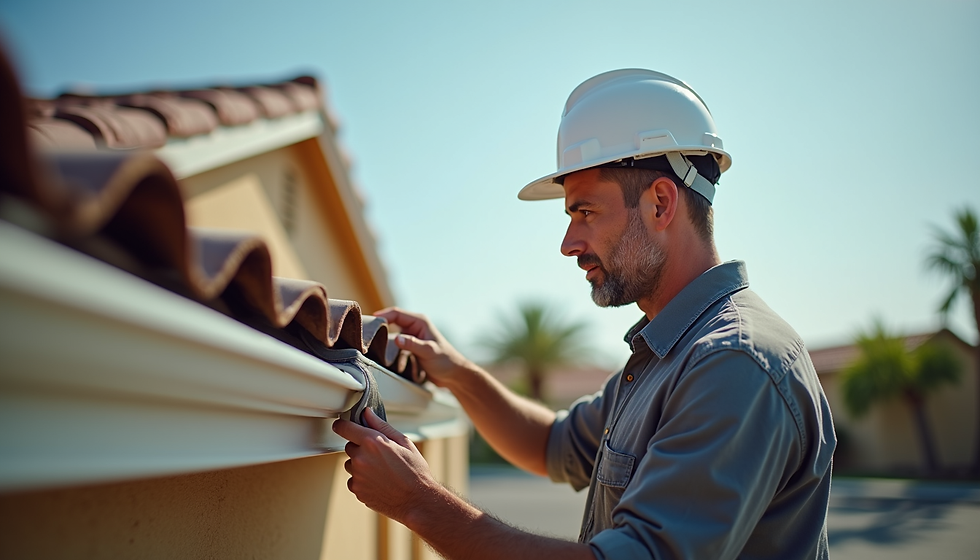
The inspector looks at the siding, windows, doors, and roof. They check for damage, signs of water intrusion, and proper drainage. For example, cracked siding or clogged gutters can lead to bigger problems down the line.
Roof and Attic
Inspectors climb up or use binoculars to assess the roof’s condition. They look for missing shingles, leaks, and the state of flashing around chimneys or vents. Inside the attic, they check insulation, ventilation, and signs of water damage.
Foundation and Basement
Cracks, moisture, and structural issues are the focus here. A solid foundation is key to a safe home, so any signs of shifting or water seepage are red flags.
Plumbing System
The inspector tests faucets, toilets, and water heaters. They look for leaks, corrosion, and proper water pressure. Old or faulty plumbing can cause headaches and expensive repairs.
Electrical System
Safety is the priority. Inspectors check the electrical panel, outlets, and wiring. They ensure everything meets current codes and there are no fire hazards.
Heating and Cooling Systems
The HVAC system is tested for functionality and efficiency. Inspectors look at the furnace, air conditioner, and ductwork to make sure they’re in good shape.
Interior Rooms
Walls, ceilings, floors, windows, and doors are examined for damage or wear. They also check for signs of mold or pest infestations.
Safety Features
Smoke detectors, carbon monoxide alarms, and handrails are inspected to ensure the home is safe for occupants.
This thorough approach helps uncover issues that might not be obvious during a casual walkthrough. It’s like having a detective on your side, uncovering clues about the home’s condition.
The Importance of Knowing What Does a Home Inspector Look For
If you’re wondering what does a home inspector look for, it’s all about protecting your investment. Inspectors are trained to spot problems that could affect the home’s value, safety, and livability. They don’t just look for obvious defects but also subtle signs that something might be wrong.
For example, a small crack in the foundation might seem minor, but it could indicate serious structural issues. A home inspector’s job is to identify these warning signs early so you can negotiate repairs or price adjustments before closing the deal.
Understanding this process empowers you to ask the right questions and make informed decisions. It also helps you prioritize repairs and maintenance after moving in.

Tips for Preparing for Your Home Inspection
Preparation can make the inspection smoother and more effective. Here are some practical tips:
Be Present During the Inspection
Walking through the home with the inspector gives you a firsthand look at any issues. It’s also a great chance to ask questions and learn about maintenance tips.
Clear Access to Key Areas
Make sure the inspector can easily access the attic, basement, electrical panel, and HVAC units. Remove clutter or obstacles that might slow down the process.
Gather Maintenance Records
If you’re selling, having records of past repairs and maintenance can reassure buyers and the inspector.
Check for Obvious Repairs
Fix minor issues like dripping faucets or burned-out light bulbs before the inspection. It shows the home has been cared for.
Plan for Pets
Keep pets secured or out of the way to avoid distractions or safety concerns.
By following these tips, you help the inspector do their job efficiently and get the most accurate report possible.
What Happens After the Inspection?
Once the inspection is complete, you’ll receive a detailed report. This document outlines all findings, including photos and recommendations. It’s your guide to understanding the home’s condition and planning next steps.
If issues are found, you can:
Negotiate Repairs
Ask the seller to fix major problems before closing.
Request a Price Reduction
Use the inspection report to justify a lower offer.
Walk Away
If the problems are too severe, you might decide the home isn’t right for you.
Remember, no home is perfect. The goal is to know what you’re getting into and avoid surprises later.
Final Thoughts on Your Home Inspection Journey
A home inspection is a vital part of buying or selling a home in Las Vegas. It’s your chance to get a clear picture of the property’s condition and make confident decisions. By understanding the home inspection checklist and what inspectors look for, you’re better equipped to navigate the process smoothly.
Whether it’s checking the roof, plumbing, or electrical systems, every detail matters. So, take the time to prepare, be present, and use the inspection report wisely. Your future self will thank you for it!
If you want a trusted partner for your home inspection needs, Real Choice Home Inspections is here to help. We provide comprehensive, timely, and easy-to-understand reports that make your property decisions easier and more confident.
Happy house hunting!


Comments